Why Food Safety Is a High-Stakes Issue at Outdoor Events
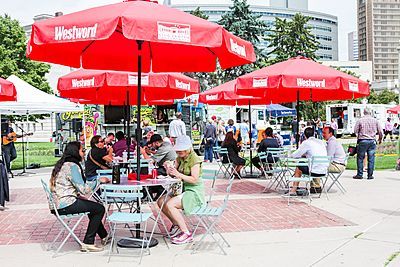
Large outdoor events create the perfect conditions for food safety to go wrong: high ambient temperatures, extended serving windows, limited access to commercial kitchen infrastructure, and the logistical challenge of keeping large quantities of food at safe temperatures across an entire event footprint.
According to the FDA, bacteria in food can double in number every 20 minutes when food is left in the temperature danger zone between 40°F and 140°F. At a summer festival in Southern California, ambient temperatures can easily push perishable food well into that range within minutes of being removed from cold storage.
A single foodborne illness incident at a public event can result in health department investigations, event shutdowns, significant liability exposure, and long-term damage to your organization's reputation. The good news is that proper planning and the right cold storage equipment eliminates most of these risks before they develop.
"Bacteria double every 20 minutes in the danger zone. At a summer festival, the window between safe and unsafe is shorter than most organizers realize."
Understanding the Temperature Danger Zone
The temperature danger zone — 40°F to 140°F — is the range in which bacterial growth accelerates rapidly. For outdoor summer events, this is the most important number to understand and plan around.
Cold foods must be held at or below 40°F at all times. Hot foods must be held at or above 140°F. Any perishable item that spends more than two hours in the danger zone (or one hour when ambient temperatures exceed 90°F) should be discarded. At a six-hour outdoor festival in July, maintaining these standards without proper cold storage infrastructure is essentially impossible using consumer-grade coolers and ice alone.
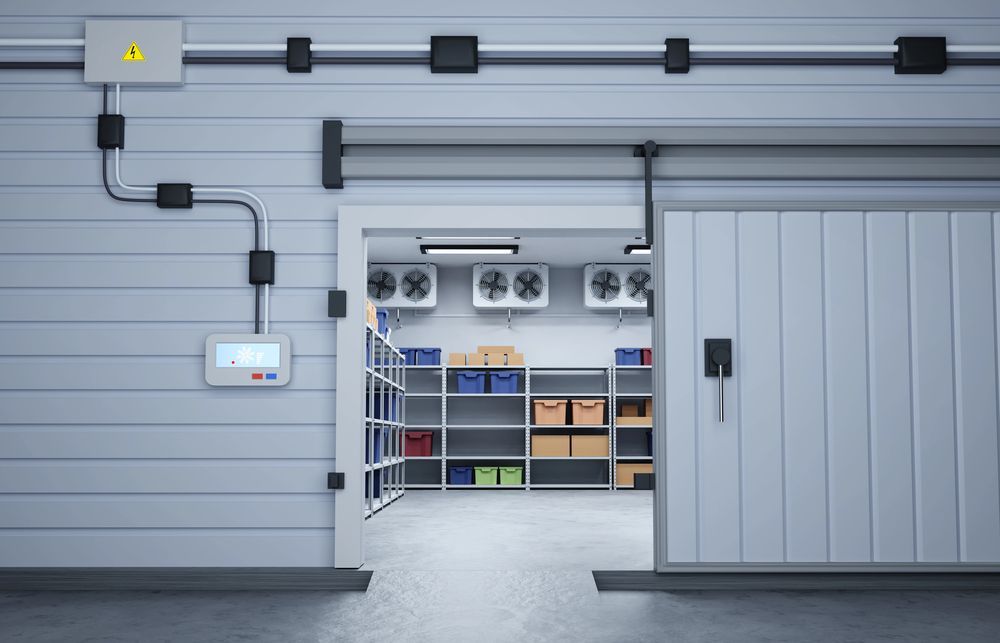
This is where a dedicated, commercial-grade refrigerated trailer changes the equation entirely. A properly maintained cold storage unit holds a precise, consistent temperature regardless of how hot it is outside — giving vendors and caterers a reliable base of operations that keeps food safe from the moment it arrives on-site to the moment it is served.
Planning Cold Storage Before Your Festival
Estimate Your Volume Early
Start by calculating total food volume; accounting for all vendors, caterers, and food service operations on-site. A common planning mistake is underestimating how much refrigerated space you need and trying to solve it the day before the event. Work backward from your menu and serving quantities to determine total cubic footage of cold storage required.
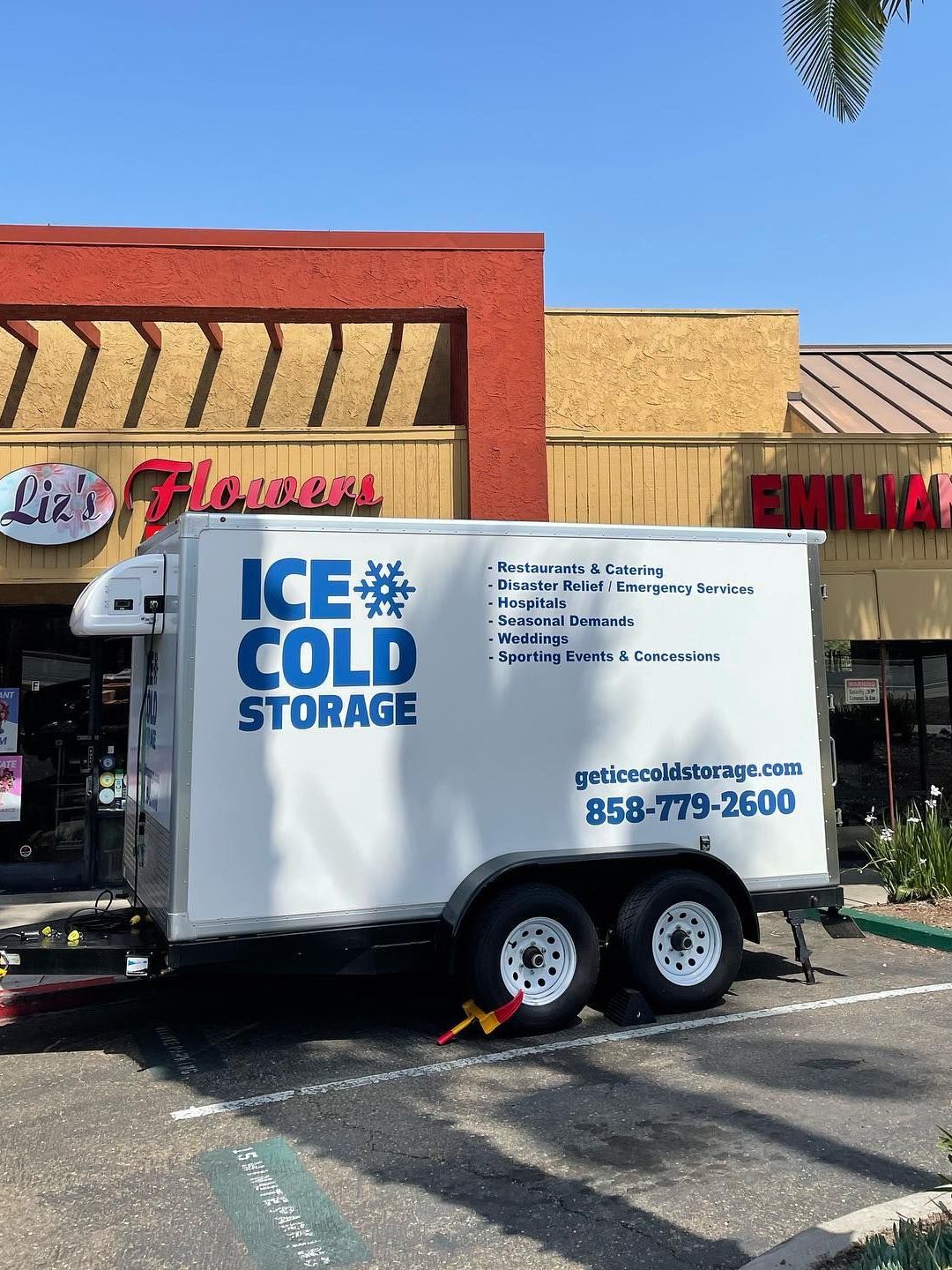
Ice Cold Storage provides a standard unit boasting 416 cubic feet of storage capacity and a temperature range from 0°F to 50°F, making it ideal for everything from frozen proteins to fresh produce and prepared meals. For larger multi-day festivals or events featuring multiple food stations, several units can be strategically placed side by side.
Confirm Power Access in Advance
Mobile refrigerated trailers require a standard 115V electrical connection. When scouting your festival site, identify available power sources and confirm they can support the electrical load. Ice Cold Storage provides 50-foot, 10-gauge extension cords with every rental and has additional cords available if your setup requires more reach.
If your event venue does not have reliable power access, factor in a generator as part of your planning. Losing refrigeration mid-event is not a recoverable situation — confirm your power situation well in advance.
Coordinate Delivery and Positioning
One of the key advantages of working with
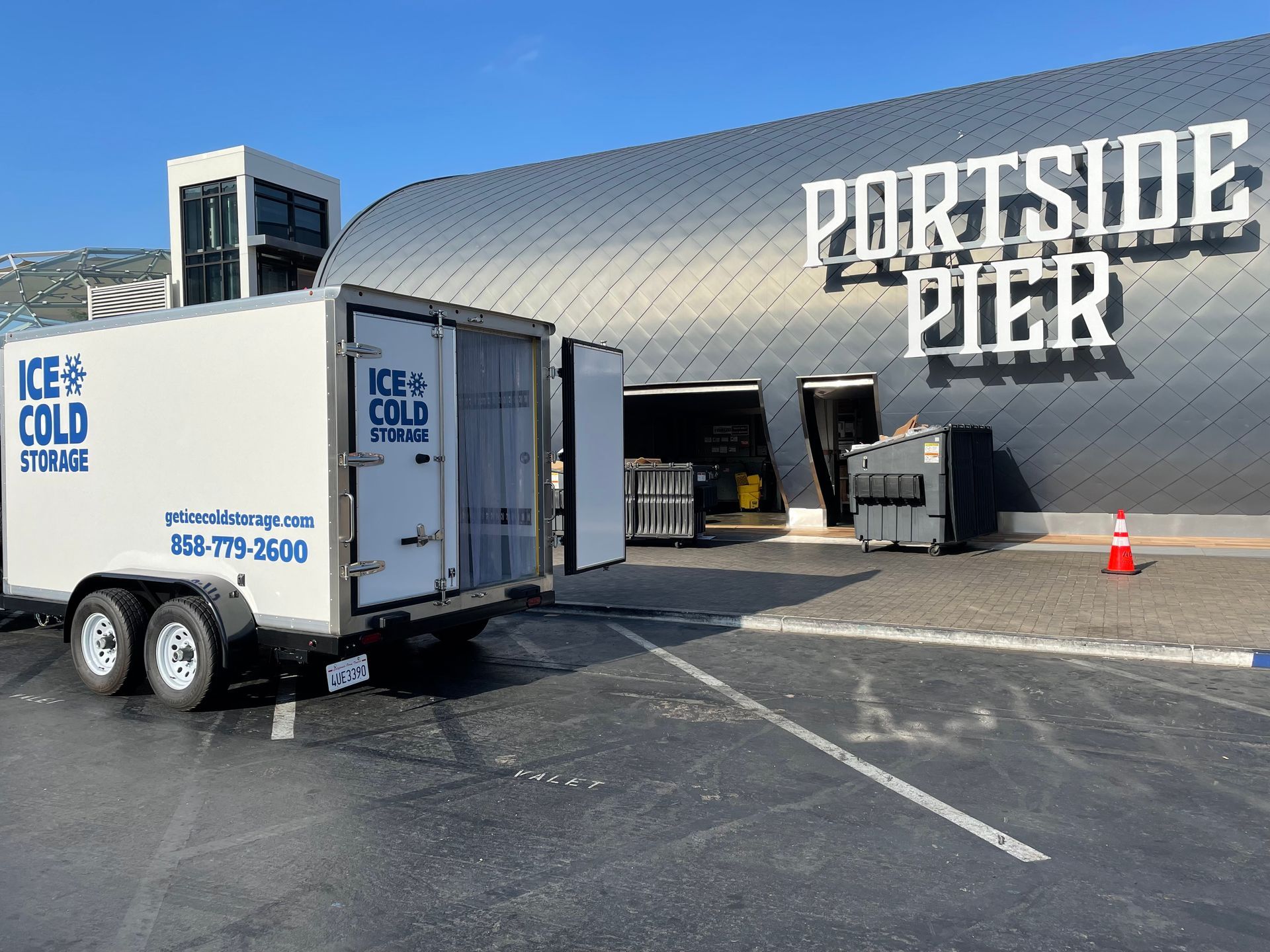
Ice Cold Storage is that the unit arrives already sanitized, inspected, and pre-cooled to your specified temperature. The delivery team works with you on positioning, locks the unit in place, levels it with jacks, secures the tires, and provides door locks for security. You will not be scrambling to get it cold on the morning of the event — it arrives ready to go.
Review the
how it works page to understand the full setup and delivery process before your event date.
On-Site Food Safety Best Practices
Keep Cold Foods Cold — Continuously
The goal is to ensure cold foods never leave the safe zone during an event. That means minimizing the time any perishable item spends outside the refrigerated trailer. Train staff to pull product in small quantities — only what will be used within the hour rather than staging large batches at ambient temperature for extended periods.
Use food thermometers regularly. Check temperatures of high-risk items (proteins, dairy, prepared salads, cut fruits and vegetables) at least every two hours and log the results. If any item has been in the danger zone too long, discard it — do not serve it.
Separate Raw and Ready-to-Eat Foods
Cross-contamination is one of the most common causes of foodborne illness at events. Raw proteins (chicken, beef, seafood) must be stored separately from ready-to-eat items and must never drip onto or contact cooked or prepared food. Use separate shelves or separate units for raw and finished product, and enforce strict protocols around which staff handle which categories.
A dual-temperature trailer, with separate refrigeration and freezer compartments, is an ideal solution for events with complex menus that require both frozen and refrigerated storage in the same footprint.
Monitor Temperature Throughout the Event
Do not set the temperature and assume it holds. Assign someone specifically responsible for checking and logging the unit temperature at regular intervals — ideally every hour for high-risk food events. If a temperature deviation is detected, investigate the cause immediately (unit door left open, power issue, overloading) and address it before it becomes a food safety problem.
Ice Cold Storage staff can show you how to adjust temperature settings if conditions change during the event, and you will have their contact information if any operational questions come up during your rental.
Train Everyone Who Touches Food
Food safety at an event is only as strong as the least-informed person handling food. Make sure all food handlers — whether staff, volunteers, or vendors — understand the temperature danger zone, proper hand hygiene, cross-contamination risks, and what to do if they observe a potential food safety issue. A 15-minute pre-event briefing can prevent serious problems.
How a Refrigerated Trailer Solves the Biggest Festival Food Safety Challenges
Consumer-grade coolers filled with ice work for small gatherings and short timeframes. For a multi-vendor outdoor festival running six to twelve hours in San Diego summer heat, they fall well short of what food safety requires. Here is where a commercial refrigerated trailer changes the situation:
- Consistent temperature control: Unlike ice that melts and creates temperature variability, a refrigerated trailer maintains a precise, stable temperature throughout the event regardless of ambient heat.
- Large capacity: 416 cubic feet of storage accommodates the volume a real event requires — no more running out of cold storage halfway through service.
- On-site delivery and setup: The unit is delivered to your exact location, positioned where you need it, and pre-cooled before the event starts.
- Temperature range flexibility: Set it as a standard refrigerator or bring it down to freezer temperatures depending on what you're storing.
- Secure and locked: Door locks are provided, keeping your product secure and your cold storage compliant with health codes throughout the event.
Ice Cold Storage's
special event cold storage service is designed specifically for this use case — outdoor festivals, community events, and large gatherings where commercial cold storage infrastructure needs to come to you, not the other way around.
Festival Food Safety Checklist
Use this checklist when planning cold storage for your next outdoor summer event:
- Calculate total food volume for all vendors and catering operations
- Book refrigerated trailer rental well in advance of event date
- Confirm power access (115V) and extension cord requirements at the venue
- Coordinate delivery timing — unit should arrive pre-cooled before food loads in
- Assign a food safety lead responsible for temperature monitoring throughout the event
- Set up a temperature log and check cold storage every hour during the event
- Train all food handlers on temperature danger zone, cross-contamination, and discard protocols
- Separate raw and ready-to-eat foods in storage and service
- Pull product from cold storage in small quantities — only what will be used within the hour
- Discard any perishable item that has been above 40°F for more than two hours (one hour if ambient temp exceeds 90°F)
Plan Your Festival Cold Storage with Ice Cold Storage
Ice Cold Storage provides
chiller rental services in San Diego and surrounding communities including
Carlsbad, Encinitas, Oceanside,
Chula Vista, Escondido, and beyond. Whether you are organizing a food truck festival, a community fair, a music event with catering, or any large outdoor gathering, the team can get a refrigerated trailer to your site on time, set up, and ready to keep your food safe from start to finish.
Explore
special event cold storage options and see how Ice Cold Storage supports events of all sizes.
View
refrigerated trailer options for venues and events to find the right unit configuration for your footprint.
Check
rental pricing or go straight to getting a custom quote for your event.
Ready to lock in cold storage for your next festival?
Get a free quote today.